Home
Women’s Health Knowledge Center
What Is PCOS? 5 Important Things Women Should Know and Can It Be Cured?
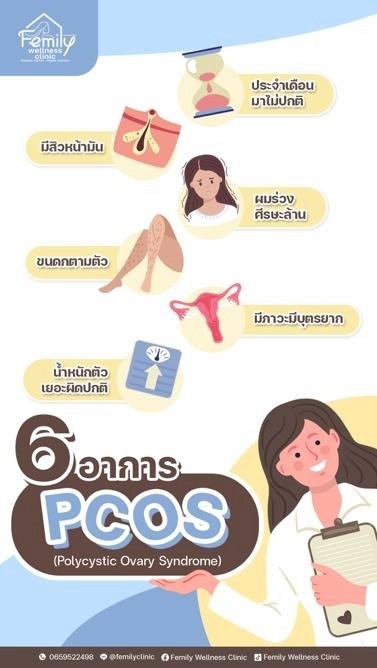
Irregular periods, acne, easy weight gain, or excessive hair growth… could it be PCOS? And if it is PCOS, can it be cured?
The term “PCOS” is one of the most frequently searched phrases by women on Google, especially working-age women who have irregular periods, infertility, or concerns about hormonal imbalance.
This article explains, in an easy-to-understand but medically accurate way, what PCOS is, what the symptoms are, how it is diagnosed, and whether it can be cured.
What is PCOS?
PCOS stands for Polycystic Ovary Syndrome
It is a condition in which female hormones are out of balance, causing abnormal ovulation.
Key features of PCOS include:
Irregular or absent periods
Higher levels of male hormones, such as acne, oily skin, excess hair growth, and hair loss
Many small follicles in the ovaries seen on ultrasound
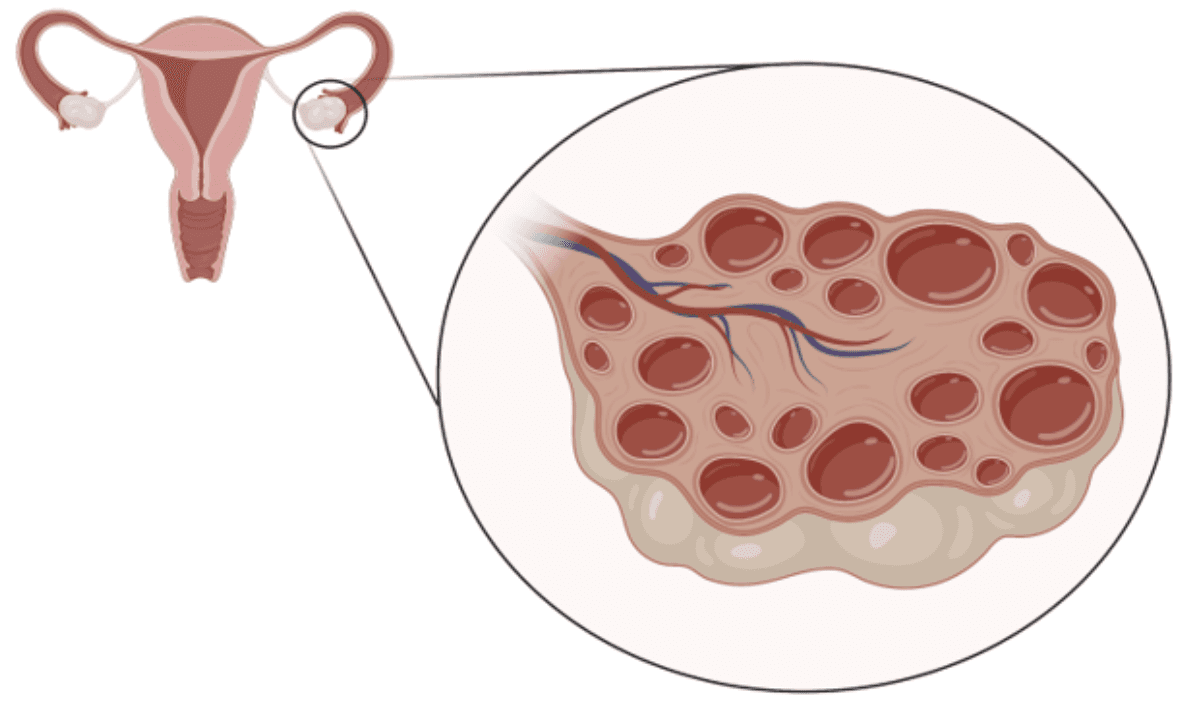
According to the diagnostic criteria used worldwide, at least 2 of the 3 criteria must be met to make the diagnosis.
These guidelines are based on the American College of Obstetricians and Gynecologists and international reproductive medicine recommendations.
5 common symptoms in women with PCOS
1️⃣ Irregular periods
Periods may occur more than 35 days apart, or some women may miss several months.
This is the most common symptom.
2️⃣ More acne, oily skin, and excess hair growth
This is caused by higher male hormone levels (hyperandrogenism).
Some women also experience thinning hair at the crown of the head.
3️⃣ Easy weight gain, difficult weight loss
Insulin resistance is common in PCOS.
It can make weight gain easier and increase the risk of diabetes in the future.
4️⃣ Infertility
This happens because ovulation is not regular.
PCOS is one of the main causes of infertility in women of reproductive age.
5️⃣ Ultrasound shows multiple follicles
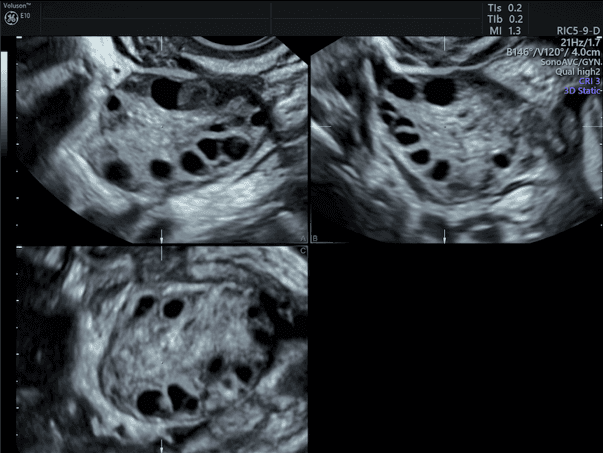
The ovaries may appear to have many small follicles arranged around the outer edge.
Can PCOS be cured?
The short answer is:
PCOS does not go away completely like an infectious disease
but the symptoms can be well controlled with appropriate treatment.
Treatment depends on the patient’s goals, such as:
Wanting regular periods
Wanting to treat acne
Wanting to have a baby
PCOS treatment options
1️⃣ Lifestyle changes and weight control
Losing just 5–10% of body weight can help improve ovulation.
2️⃣ Birth control pills
Used to regulate hormones
They help reduce acne, decrease excess hair growth, and make periods more regular.
3️⃣ Ovulation-inducing medication (for those trying to conceive)
A doctor may prescribe ovulation-inducing medicine to help trigger ovulation.
4️⃣ Insulin-regulating medication
In some patients with insulin resistance, a doctor may consider medication to help restore balance.
Is PCOS dangerous?
If left unmanaged, it may increase the risk of:
Diabetes
High blood lipid levels
Abnormally thick uterine lining
Endometrial cancer in the long term
According to World Health Organization recommendations, regular health monitoring can help reduce the risk of complications.
When should you see a doctor?
You should see a doctor if:
Your period has been absent for more than 3 months
You have been trying to get pregnant for more than 1 year without success
You have severe acne or abnormal excess hair growth
You are gaining weight unusually quickly
The evaluation will include a medical history, hormone blood tests, and an ovarian ultrasound.
Brief summary
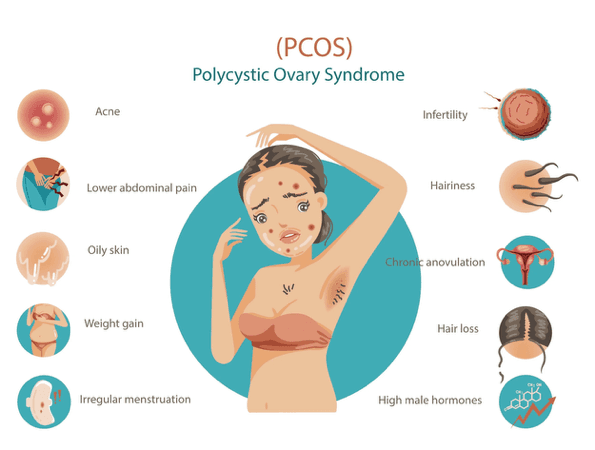
PCOS is a hormonal imbalance that causes abnormal ovulation. It cannot be completely cured, but it can be managed.
Treatment depends on the patient’s goals and should be supervised by a specialist.
If you have irregular periods or suspect that you may have PCOS
we recommend seeing a doctor, because early evaluation helps with proper care planning.
Author
Dr. Wichadet Wichulada
Obstetrician and Gynecologist
Currently pursuing a sub-specialty in Maternal-Fetal Medicine
King Chulalongkorn Memorial Hospital
Research published in the International Journal of Transgender Health
References
American College of Obstetricians and Gynecologists. Practice Bulletin: Polycystic Ovary Syndrome.
World Health Organization. Reproductive health guidelines.
Williams Gynecology, 4th Edition.