Home
Women’s Health Knowledge Center
What should you know before your first pelvic exam? 6 things women should know before going into the exam room
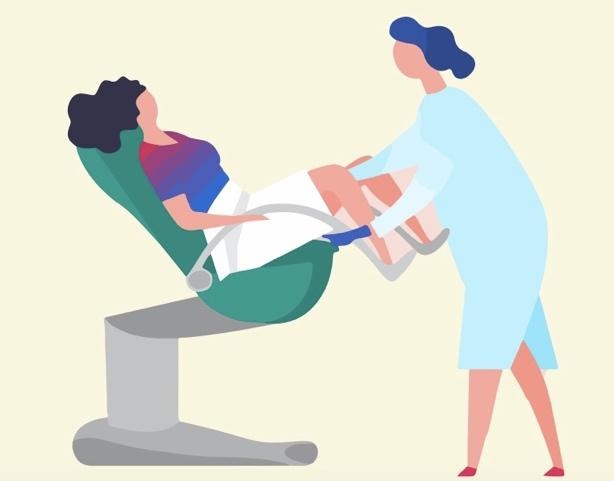
Does a first pelvic exam hurt? How should you prepare? When should you get one, and where is the best place to have one?
This is a question many women search for on Google, especially those who are working or studying and have never had one before. Most of the worry does not come from a disease, but from “not knowing what will happen in the exam room.”
This article summarizes 6 important things you should know before your first pelvic exam, so you can feel confident and understand the procedure correctly based on medical principles.
What is a pelvic exam? Why is it needed?
A pelvic examination is an assessment of the internal reproductive organs, such as the vagina, cervix, uterus, and ovaries.
A doctor may recommend an exam in the following cases:
Unusual vaginal discharge
Abnormal bleeding
Chronic lower abdominal pain
Cervical cancer screening
Annual health checkup
6 things you should know before your first pelvic exam
1️⃣ Does a pelvic exam hurt?
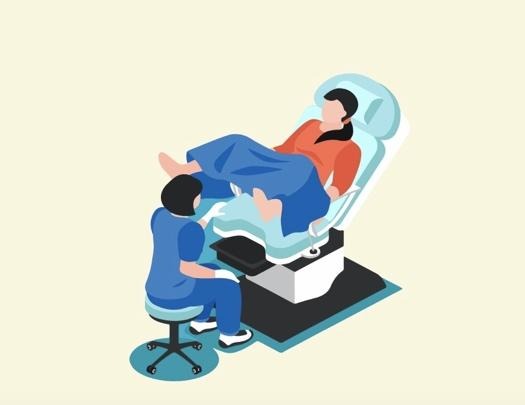
Most people feel that it does not hurt, but you may feel a slight discomfort, especially if you tense up.
What helps most is:
Relax
Take deep breaths
Let the doctor know if you feel pain
The exam does not take long, usually about 3-5 minutes.
2️⃣ How should you prepare before the exam?
Avoid sexual intercourse for 24 hours before the exam
Do not douche
Do not have the exam during your period (except in emergencies)
Proper preparation helps make the results more accurate.
3️⃣ What happens in the exam room?


Typically, the steps include:
The doctor will first take a brief medical history
The patient lies on the exam table and places both legs on the stirrups
The doctor inserts a speculum into the vagina to assess the cervix and vagina
The doctor removes the speculum from the vagina and gently palpates the lower abdomen to assess the uterus and ovaries
The doctor will explain every step before performing it, so the patient understands and does not feel alarmed.
4️⃣ How often should you get one?

It depends on the purpose, such as:
Annual general health checkup
Cervical cancer screening every 3-5 years (depending on age and the screening method used)
If you have abnormal symptoms, you should get checked right away
According to the American College of Obstetricians and Gynecologists, pelvic exams and cervical cancer screening should begin according to each person's age and risk level.
5️⃣ Can I get one if I have never had sexual intercourse?
Yes, but an appropriate evaluation method may be used, such as an abdominal ultrasound instead of a full pelvic exam, depending on the symptoms and medical need.
The doctor will choose the most appropriate method and prioritize the patient's comfort.
6️⃣ Where should you choose to have a pelvic exam?
You should choose a healthcare facility that:
Has a specialist in obstetrics and gynecology
Explains the procedure in detail
Provides privacy
Has a calm, unhurried atmosphere
A first pelvic exam is an important experience. If you receive care that is understanding and respectful of your feelings, it can greatly reduce fear.

Femily Wellness Clinic
Care provided by a specialist obstetrician-gynecologist for every case
Every step explained in detail and clearly
Warm, private atmosphere
Uses standard equipment and always pays attention to the small details
The clinic is located in Ari Soi 2, conveniently accessible, just 200 meters from BTS Ari, and parking is available.
In short
A first pelvic exam is not as scary as it may seem
It usually does not hurt, takes little time, and helps screen for health problems early.
If you have abnormal discharge, abnormal bleeding, or want an annual health checkup, seeing a specialist can help you feel more confident.
Women’s health care can start today 💛
Author
Dr. Wichdet Wichchulada
Specialist in Obstetrics and Gynecology
Currently pursuing subspecialty training in Maternal-Fetal Medicine
King Chulalongkorn Memorial Hospital
Research published in International Journal of Transgender Health
References
American College of Obstetricians and Gynecologists. Well-Woman Visit Guidelines.
World Health Organization. Cervical cancer screening recommendations.