Home
Women’s Health Knowledge Center
What Causes Irregular Periods? 8 Reasons Women Shouldn’t Overlook
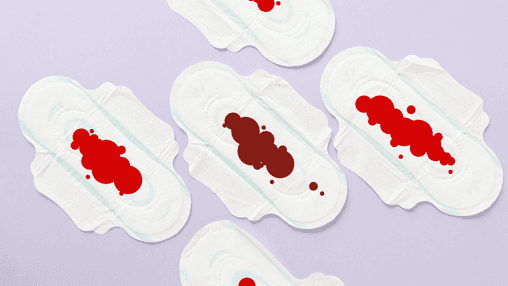
Why has my period stopped?
Why is my cycle longer than 35 days?
Is spotting for many days dangerous?
“Irregular periods” is one of the most frequently searched symptoms among women. Whether it is missed periods, irregular cycles, abnormal bleeding, or periods that do not arrive on time, sometimes it may be caused by stress or not getting enough rest. In some cases, it may be related to hormonal imbalances or gynecological conditions that should be evaluated seriously.
This article summarizes 8 common causes along with appropriate care guidance to help you better understand your body.
What menstrual cycle is considered normal?

In general, a normal menstrual cycle is about 21–35 days
with bleeding for 3–7 days, and the amount is neither too heavy nor too light.
If your cycle is longer than 35 days, you have missed periods for more than 3 months, or you have frequent spotting, further evaluation should be considered, according to guidelines from the American College of Obstetricians and Gynecologists.
8 common causes of irregular periods
1. Stress and not getting enough rest
Stress affects the hormones that control ovulation, which can delay or stop your period. This is common among working-age adults with heavy responsibilities.
2. Rapid weight changes
Rapid weight gain or loss affects hormonal balance. People who are significantly overweight or underweight may also have irregular periods.
3. PCOS (Polycystic Ovary Syndrome)
This is a major cause of irregular periods. Patients often have longer cycles, acne, easy weight gain, and irregular ovulation.
4. Thyroid disorders
Both hyperthyroidism and hypothyroidism can disrupt menstrual cycles. A blood test can help diagnose it clearly.
5. Pregnancy
If your period is late, you should take a pregnancy test first, even if you are using contraception.
6. Abnormally thick uterine lining or polyps
This may cause spotting or abnormally heavy bleeding. Ultrasound is needed for evaluation.
7. Hormone use or birth control pills
When starting or stopping the medication, your cycle may fluctuate temporarily.
8. Perimenopause
In women around age 40 and older, hormones may begin to change, making periods irregular.
When should you see a doctor?
You should see a doctor if:
Your period has been absent for more than 3 months
You have abnormally heavy bleeding
You have severe lower abdominal pain
You are planning to conceive but your cycles are irregular
Evaluation may include hormone blood tests, thyroid testing, and ultrasound of the uterus and ovaries.
Are irregular periods dangerous?
In some cases, they are not dangerous and can be improved by adjusting habits. But if they are caused by hormonal abnormalities such as PCOS or disorders of the uterine lining, they should be treated, because allowing periods to stop for long periods may increase long-term risks.
According to recommendations from the World Health Organization, regular women’s health follow-up helps reduce the risk of complications.
Quick summary
Irregular periods may be caused by stress, weight changes, hormonal imbalances, or gynecological conditions.
If your cycle is repeatedly irregular or you have accompanying symptoms, you should be evaluated to find the true cause. Early care can help prevent future problems and help you plan your health with confidence.
Author
Dr. Wichadet Wichchulda
Obstetrician and Gynecologist
Currently pursuing a subspecialty in Maternal-Fetal Medicine
Chulalongkorn Memorial Hospital
Research published in the International Journal of Transgender Health
References
American College of Obstetricians and Gynecologists. Abnormal Uterine Bleeding Guidelines.
World Health Organization. Reproductive health recommendations.
Williams Gynecology, 4th Edition.