Home
Women’s Health Knowledge Center
Is Bleeding During Pregnancy Dangerous? What Expectant Mothers Should Know by Trimester
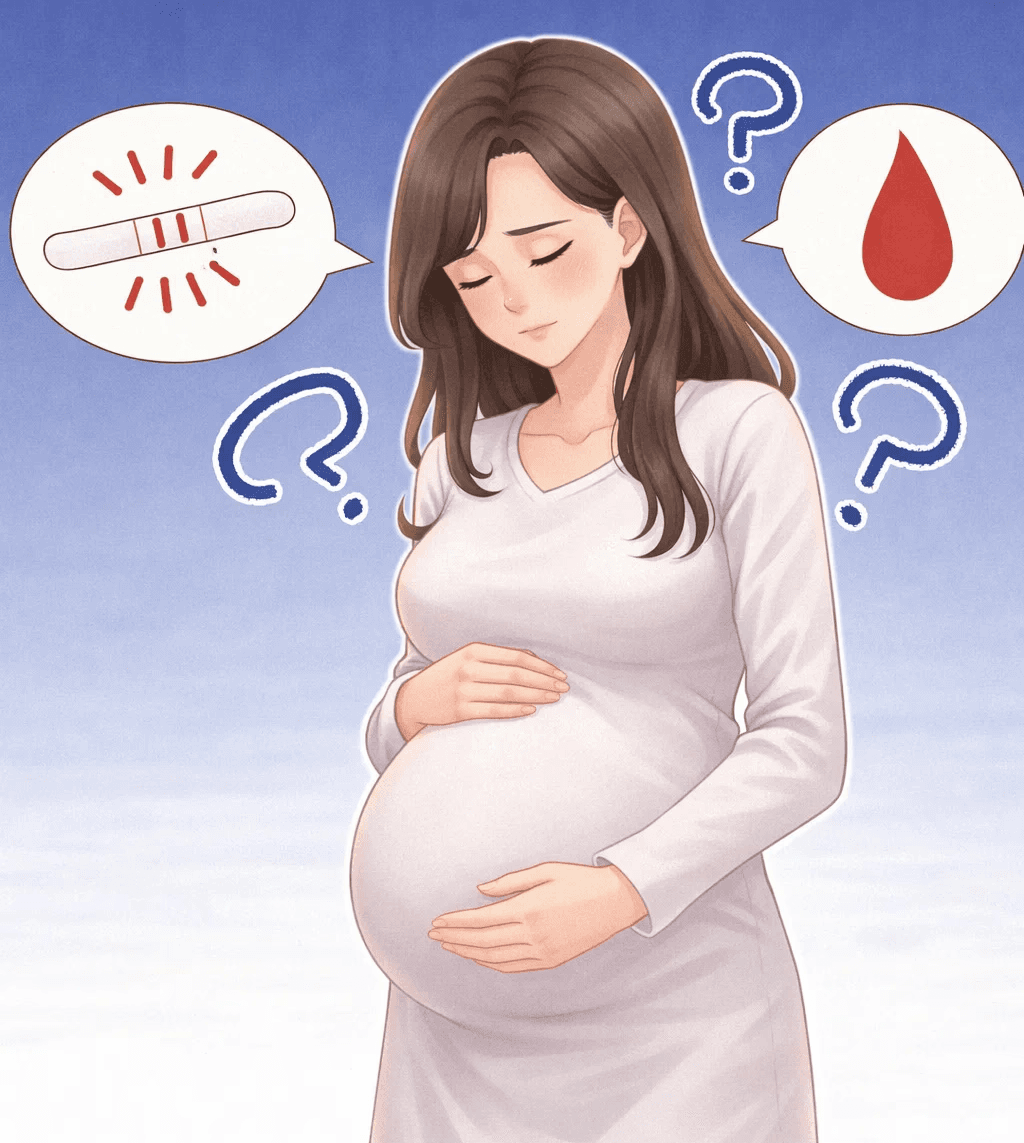
Why does bleeding happen during pregnancy?
What kind of bleeding in pregnancy is dangerous?
Are the first trimester and later trimesters equally risky?
“Bleeding during pregnancy” is one of the symptoms that worries mothers the most. Sometimes it may not be serious, but in some cases it can be an emergency that requires immediate medical attention.
Risk assessment depends mainly on the “gestational age,” so we will explain it in 2 main periods:
Bleeding in the first trimester (less than 14 weeks)
Bleeding in the second–third trimesters (more than 14 weeks)
Bleeding in the first trimester (0–14 weeks)
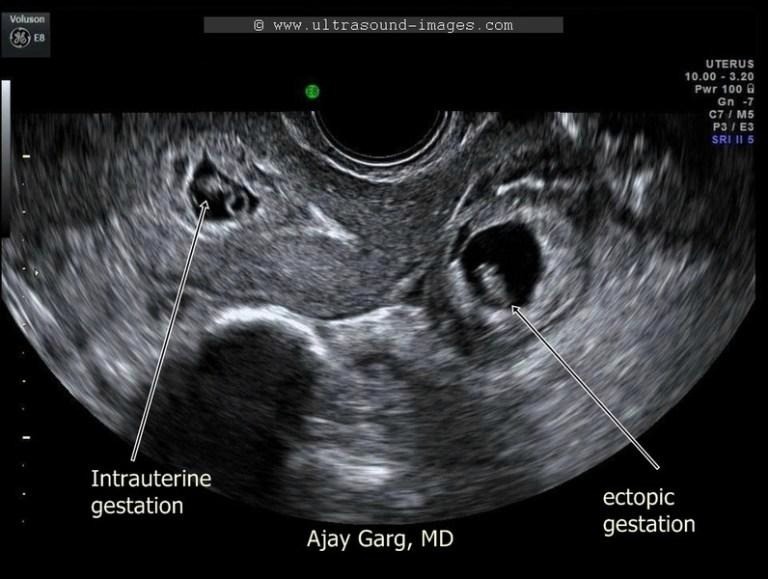
During the first trimester, reports show that about 20–30% of mothers may experience some bleeding at some point during pregnancy.
According to guidance from the American College of Obstetricians and Gynecologists, the causes can range from harmless to conditions that require close monitoring.
1️⃣ Implantation bleeding
Usually occurs around 4–6 weeks
Small amount, pink or brown in color
No severe pain
In general, it is not dangerous and stops on its own.
2️⃣ Threatened miscarriage (Threatened abortion)
Bleeding is present
May have mild lower abdominal pain
Fetal heartbeat is still detected
In this case, an ultrasound follow-up to monitor the fetal heartbeat is needed.
3️⃣ Miscarriage
Heavier bleeding
Noticeable cramping pain in the lower abdomen
May have blood clots or tissue
You should see a doctor immediately.
4️⃣ Ectopic pregnancy
This is the most dangerous condition!
The symptoms to watch for are:
One-sided abdominal pain
Dizziness, lightheadedness
Abnormal bleeding
It must be diagnosed and treated as quickly as possible.
Bleeding in the second–third trimesters (more than 14 weeks)

In later pregnancy, the causes of bleeding are different from early pregnancy, and some conditions may be more severe.
1️⃣ Placenta previa
Bright red bleeding
Usually no abdominal pain
Occurs in the second half of pregnancy
The placental location must be evaluated with ultrasound.
2️⃣ Placental abruption
Severe abdominal pain
Bleeding
Firm, tense uterus
This is an emergency and requires immediate hospital care.
3️⃣ Preterm labor
Preterm labor begins with frequent uterine tightening and may be accompanied by bloody mucus from the vagina
When should you go to the hospital right away?
Heavy bleeding, soaking through several sanitary pads
Severe abdominal pain
Dizziness, palpitations
Frequent uterine tightening
Decreased fetal movement
We recommend going to the hospital in every case. Do not wait and monitor symptoms on your own, because some conditions require urgent treatment.
What tests are needed when bleeding occurs?
A doctor will evaluate with:
Ultrasound to assess the pregnancy location and placenta
Checking the fetal heartbeat
Blood tests in some cases
According to the World Health Organization, prompt evaluation helps reduce complications for both mother and baby.
Brief summary
Bleeding in the first trimester is not always serious, but it still needs evaluation.
Bleeding in the second–third trimesters requires more caution because some conditions are emergencies.
If you have bleeding during pregnancy, do not diagnose yourself based on online information.
Ultrasound and evaluation by a doctor can help identify the true cause and reduce anxiety as much as possible.

Femily Wellness Clinic 💛
Care provided by obstetric and gynecologic specialists, with modern ultrasound equipment that produces clear images and allows detailed pregnancy assessment.
The clinic environment emphasizes warmth, privacy, and a calm pace so mothers can feel relaxed at every visit.
The clinic is located in Ari Soi 2, with convenient access just 200 meters from BTS Ari, and parking is available.
Author
Dr. Wichadej Wichulda
Obstetrics and Gynecology Specialist
Currently pursuing a subspecialty in Maternal-Fetal Medicine
King Chulalongkorn Memorial Hospital
Research published in the International Journal of Transgender Health
References
American College of Obstetricians and Gynecologists. Early Pregnancy Loss & Placenta Previa Guidelines.
World Health Organization. Antenatal care recommendations.
Williams Obstetrics, 26th Edition.